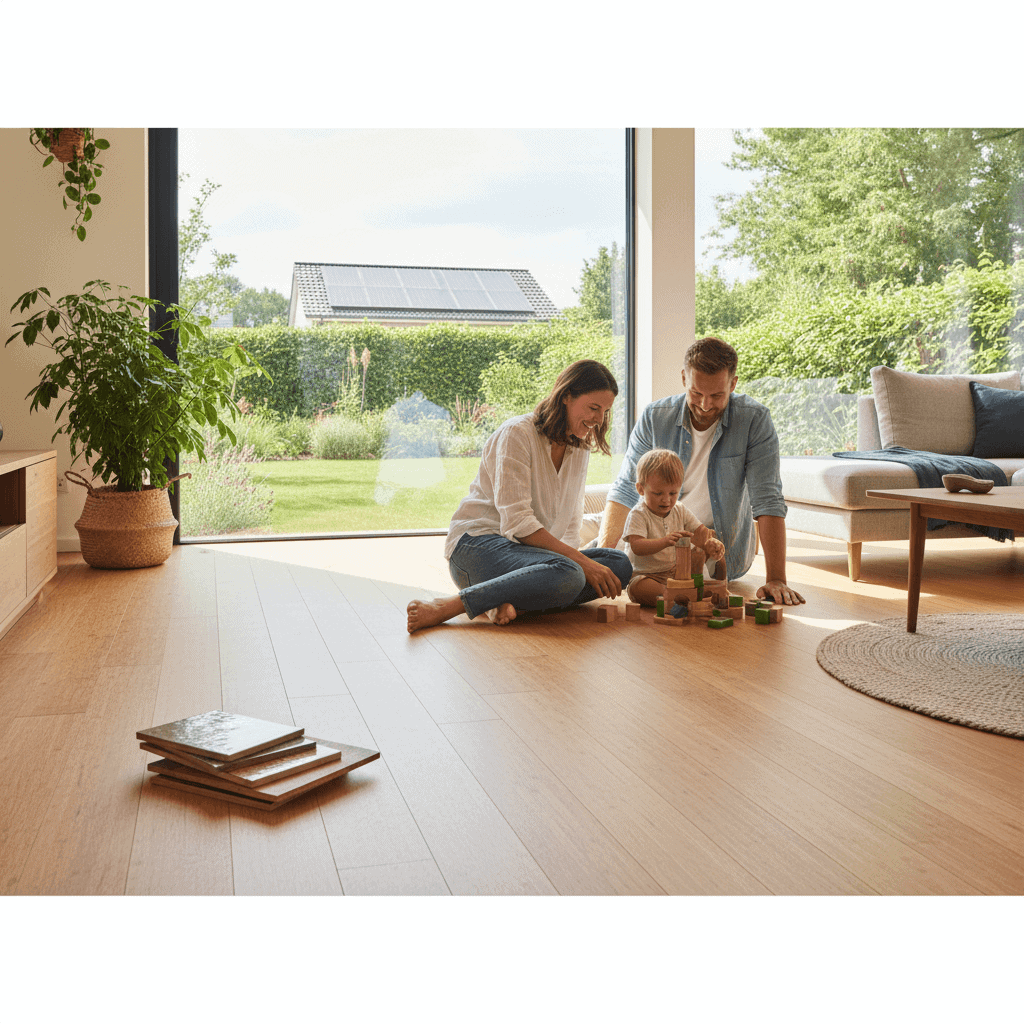
Transforming our living spaces often starts from the ground up. I have seen countless homes truly come alive with the right flooring, and now more than ever, people want to make choices that are both beautiful and kind to the earth. Opting for sustainable floor choices is not just a passing trend. It is a smart way to create a healthier home environment and support responsible manufacturing practices.
I believe that every homeowner has the power to make a positive impact. When we select eco-friendly materials, we reduce our carbon footprint and contribute to a cleaner planet. These options also bring unique aesthetics and practical advantages that conventional flooring sometimes cannot match.
My goal is to show you how to truly elevate your home with sustainable floor choices. We will explore a variety of materials, understand their benefits, and help you decide which option best fits your lifestyle and design vision.
Understanding Sustainable Floor Choices
When I talk about sustainable flooring, I am referring to materials that have a minimal negative impact on the environment throughout their entire life cycle. This includes how they are sourced, manufactured, transported, installed, and even disposed of. Traditional flooring materials often involve processes that deplete natural resources or create pollution. For instance, some types of conventional carpeting can release harmful volatile organic compounds or VOCs into your home’s air quality.
Many people think “sustainable” means sacrificing style or durability, but this is a common misconception. Modern sustainable flooring solutions are diverse and sophisticated. They offer incredible strength, unique textures, and a wide range of colors that can complement any interior design. I always find it exciting to see how these materials challenge old ideas about eco-friendly products.
What Green Flooring Means For Your Home
Green flooring means choosing materials that are renewable, recyclable, or made from recycled content. It also means looking for options produced with low energy consumption and minimal water use. We look for certifications from trusted organizations that ensure a product meets strict environmental standards. These certifications help us verify the claims made by manufacturers so you can trust your purchase.
A truly green floor also contributes to a healthier indoor air quality because it contains fewer harmful chemicals. This is a big deal for families, because it means less exposure to allergens and irritants. It can make a noticeable difference in how your home feels and how your family breathes every day.
Environmental Impact Considerations
The environmental impact goes beyond just the material itself. We also consider the adhesives and finishes used during installation. Many eco-friendly options pair well with low-VOC adhesives, further reducing chemical exposure. It is a holistic approach to flooring, one that considers the planet and your well-being from start to finish. This careful selection ensures that your sustainable choice truly lives up to its name.
Bamboo Flooring: A Renewable Beauty
Bamboo is one of my favorite sustainable flooring options, and for good reason. It is not actually wood. Bamboo is a fast-growing grass that can be harvested in as little as three to five years, compared to twenty years or more for most hardwoods. This rapid growth makes it an incredibly renewable resource, so it stands out among other flooring choices. I often recommend it to clients who want a natural look without the environmental strain of slow-growing timber.
Beyond its sustainability, bamboo is also known for its strength and durability. Some types of bamboo flooring are even harder than traditional oak, meaning they can withstand heavy foot traffic and resist scratches. It is a practical choice for busy households or commercial spaces, because it combines resilience with a very appealing aesthetic. Its unique grain patterns bring a distinct character to any room.
The Rapid Growth of Bamboo
The speed at which bamboo grows is truly impressive. Some species can grow several feet in a single day under ideal conditions. This quick regeneration means forests can recover quickly after harvesting, unlike traditional hardwood forests which take decades. The plant itself also helps prevent soil erosion, so it offers additional ecological benefits. We value materials that support healthy ecosystems.
This rapid growth cycle lets us have beautiful floors without stripping the earth’s resources. It means less pressure on old-growth forests and a more balanced approach to material consumption. Many people are surprised to learn how quickly this plant can be replenished, making it a frontrunner for green construction.
Aesthetics and Practicality
When you choose bamboo, you get a floor that looks good and performs well. It offers a clean modern aesthetic, with options ranging from natural light tones to darker carbonized shades. It also handles moisture better than some hardwoods, making it suitable for areas like kitchens or basements. This versatility means you can enjoy its unique beauty in many different rooms throughout your home.
I have seen bamboo installed in many different settings, and it always brings a touch of natural elegance. It is an excellent choice for those wanting to elevate their home with sustainable floor choices that are both beautiful and long-lasting.
Cork Flooring: Softness and Sound Absorption
Cork flooring offers a distinctly different set of benefits, making it another excellent sustainable choice for your home. It comes from the bark of the cork oak tree, and harvesting the bark does not harm the tree. The bark simply grows back, so the tree continues to live and produce more cork for many years. This makes it a truly regenerative resource, much like wool from sheep.
One of the most appealing qualities of cork is its natural softness and resilience underfoot. This makes it very comfortable to walk on, which is a huge plus in areas where you stand a lot, like kitchens. It also acts as a natural insulator, keeping your floors warmer in winter and cooler in summer, helping with energy efficiency. This dual comfort and insulation effect is something I always highlight to clients.
Harvesting Cork Responsibly
The process of collecting cork bark is an old tradition that supports sustainable forestry practices. Workers carefully strip the bark by hand every nine to twelve years, leaving the tree to heal and regrow. No trees are cut down in this process. This method protects ancient cork forests, which are vital habitats for diverse wildlife and important carbon sinks. I feel good knowing that cork production helps maintain these valuable ecosystems.
This careful harvesting also ensures the long-term health of the trees and the industry. It is a perfect example of how human needs can align with environmental preservation. The result is a beautiful and functional product that respects natural cycles.
Health and Comfort Benefits
Cork’s cellular structure gives it excellent sound-absorbing properties, reducing echoes and noise within a room. This is especially beneficial for multi-story homes or apartments, where noise can be a real issue. It also has natural anti-microbial properties, resisting mold and mildew growth, which contributes to a healthier indoor environment. This makes it a great option for allergy sufferers.
The softness of cork provides cushioning, which can be easier on joints and reduce the impact of falls. I know many families appreciate this comfort feature. It creates a quiet and cozy atmosphere where comfort and health are prioritized.
Recycled Materials: Giving New Life to Floors
Choosing flooring made from recycled materials is a powerful way to reduce waste and support a circular economy. I find it inspiring to see how materials once destined for landfills can be transformed into beautiful and durable floor surfaces. This category includes a wide range of options, from recycled glass tiles that shimmer with unique color variations to resilient rubber flooring made from old tires. Every piece of recycled material used means less new material needs to be extracted from our planet, and less waste sits in our landfills.
Recycled content flooring is not limited to specific aesthetics. You can find options that mimic natural stone or wood, or you can opt for something truly modern and distinctive. The innovation in this sector means there are always new and exciting products appearing on the market. We have a real opportunity to make a statement about our values right in our homes with these floors.
Reimagining Waste into Wonderful Floors
Think about recycled glass tiles for example. They come from bottles and other glass products, crushed and then reformed into stunning tiles. Each tile can tell a story of its previous life. Recycled rubber flooring often uses old vehicle tires, creating tough and shock-absorbing surfaces perfect for home gyms or playrooms. These products take items that would otherwise pollute our environment and turn them into functional, attractive parts of our homes. This process truly gives new life to materials.
This creative reuse of materials shows how we can design smarter and consume less. It closes the loop on waste and turns it into a valuable resource. I always encourage clients to consider how these choices help protect our planet for future generations.
Creative Design with Recycled Elements
The design possibilities with recycled flooring are surprisingly vast. Recycled wood can be reclaimed from old barns or factories, giving each plank a rich history and unique character. This creates a floor with instant charm and a story behind it. Recycled plastic can even be used in some carpet backings or composite planks, showing how versatile waste materials can be. The variety means you do not have to compromise on your home’s style to be environmentally conscious.
I have seen installations of recycled flooring that are truly works of art. These floors offer both aesthetic appeal and a clear conscience because they embody sustainable principles. They allow us to combine environmental responsibility with individual design preferences.
Linoleum: The Natural and Durable Option
Linoleum is often misunderstood and mistakenly associated with cheap vinyl flooring, but I want to set the record straight. True linoleum is a completely natural product, made from renewable resources. It consists of solidified linseed oil pine resin wood flour cork dust and other organic ingredients pressed onto a jute backing. This natural composition makes it an exceptional choice for anyone looking to elevate their home with sustainable floor choices.
This material has been around for over a century, proving its reliability and longevity. It is incredibly durable, standing up well to daily wear and tear, and it can last for decades with proper care. It is also naturally anti-static and anti-bacterial, creating a very hygienic surface. These properties make it a very practical option for busy homes, especially those with pets or children.
The True Nature of Linoleum
The ingredients in linoleum are sourced from nature. Linseed oil comes from flax seeds, and pine resin is collected from pine trees. Wood flour is a byproduct of sawmills. These components are mixed and heated, then pressed into sheets. This manufacturing process uses minimal energy and avoids harmful chemicals, making it very eco-friendly. I appreciate how its production aligns with ecological values.
This natural composition gives linoleum its unique qualities, including its characteristic smell when first installed, which dissipates quickly. It shows that effective, long-lasting products can come from simple, earth-friendly origins. We often overlook these classic materials in favor of newer, less sustainable options.
Long-Lasting Beauty and Care
Linoleum comes in an impressive array of colors and patterns, from bold and vibrant to subtle and natural. Its color runs all the way through the material, so scratches or wear do not show as easily as with surface-printed alternatives. Maintenance is also simple, requiring just regular sweeping and occasional damp mopping. This ease of care makes it a low-hassle option for any homeowner.
I have seen linoleum floors that still look fantastic after fifty years or more. This longevity means you will not need to replace your flooring often, reducing waste and saving you money in the long run. It is a testament to its quality and sustainable credentials.
Making the Right Sustainable Choice for Your Space
Choosing the right sustainable flooring means considering many factors unique to your home and lifestyle. Think about where the flooring will go. A high-traffic hallway needs a more durable option than a quiet bedroom. Your budget plays a significant role as well. While some sustainable options might have a higher upfront cost, their longevity and environmental benefits often provide better value over time. I encourage you to look at the big picture.
Personal style is also important, because your floor sets the tone for the entire room. Sustainable options come in so many textures colors and patterns. You can find something to match any aesthetic, whether you prefer rustic charm or sleek modernism. Think about how the new floor will integrate with your existing decor and furniture, as well as the overall feel you want to create in your home. Understanding the benefits of green flooring can guide your decision process.
Considering Your Lifestyle and Foot Traffic
For busy households with kids or pets, durability is key. Bamboo and recycled rubber can be excellent choices because they stand up to a lot of wear. If you desire comfort and quiet, cork might be a perfect fit. Linoleum offers a good balance of durability and low maintenance, making it suitable for many different areas of the home. I always recommend considering daily use when making a selection.
Consider the light in the room and how it will interact with the flooring material. Lighter floors can make a space feel more open and airy. Darker floors can add warmth and sophistication. These details help ensure your choice is both practical and aesthetically pleasing for your specific space.
Installation and Maintenance Insights
Each sustainable flooring type has specific installation requirements. Some, like bamboo, might need professional installation for best results. Others, such as cork tiles, can be more DIY-friendly. Always check the manufacturer’s guidelines for installation and ongoing care to protect your investment. Proper maintenance ensures your sustainable floor looks great and lasts for its intended lifespan.
Some materials are naturally more resistant to moisture, like certain types of linoleum, making them suitable for bathrooms or laundry rooms. Other materials, like some recycled woods, might require more careful sealing to prevent water damage. These practical considerations are just as important as the aesthetic ones when choosing your next floor.
Elevating Your Home with Lasting Green Impact
I feel confident in saying that choosing sustainable flooring is one of the best decisions you can make for your home and the planet. We have explored several fantastic options, from the rapid regrowth of bamboo to the comforting embrace of cork. We also considered the innovative solutions found in recycled materials and the time-tested, natural composition of linoleum. Each of these choices offers a unique blend of environmental responsibility, durability, and aesthetic appeal. They all contribute to a healthier indoor environment by reducing harmful chemicals and allergens. These floors also support responsible resource management, lessening our collective impact on fragile ecosystems.
By opting for these green solutions, you are not just installing a new floor. You are investing in the long-term health of your family and the planet. You are making a statement about your values, demonstrating that style and sustainability can go hand in hand without compromise. I encourage you to research further, get samples, and envision how these remarkable materials can transform your living space. Make a choice today that reflects a brighter, greener future for your home.